AN EVERCHANGING EARTH:
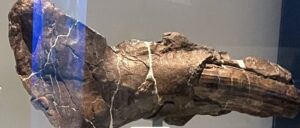
What would the bottom of the sea sound like without the inventions of modern man? That would be the sound of Los Angeles millions of years ago in the Miocene era. Moving and colliding tectonic plates, earthquakes and crashing waves would replace the sounds of construction and freeway traffic of our modern times. Much of coastal and even inland Los Angeles was under the sea in this ancient time as we learn from the fossils found in the hills and plains of Los Angeles. These ancient sea fossils predate the unfortunate ancient mammals from the Pleistocene era whose bones and fossils are found stuck in the tar of Los Angeles.
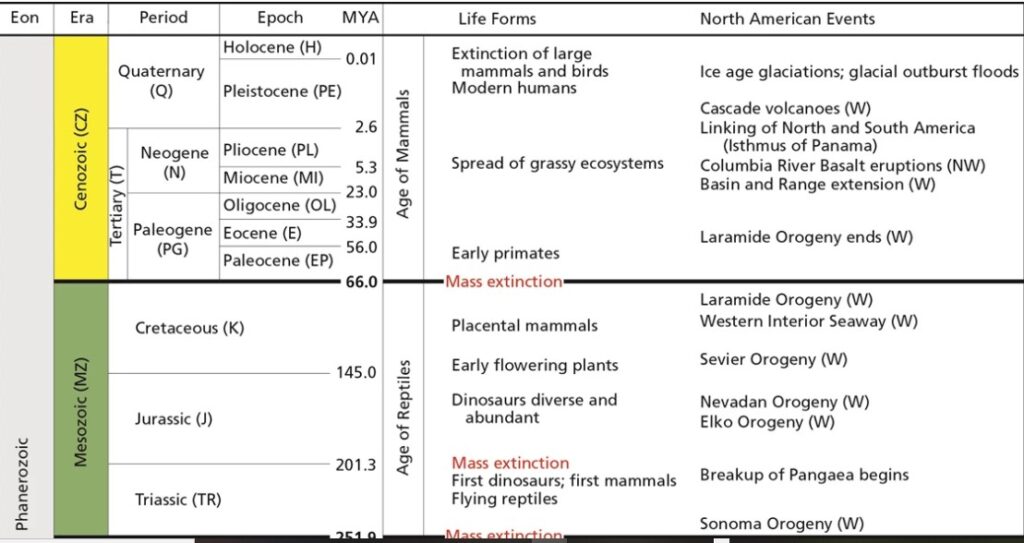
Like a giant lying dormant, Los Angeles only recently emerged from the ocean through a combination of tectonic shifts and climate change. The climate began to cool in the Pleistocene epoch and gigantic ice sheets formed over much of North America. These sheets trapped so much water that the sea level fell exposing land that had been at the bottom of the sea. As the climate warmed again and the sheets began to melt, the sea level rose to its current levels. This natural melting is now being accelerated by human caused climate change, which means that in 100 years parts of coastal Los Angeles could be a dormant giant under the sea again.
EARTH’S RECENT GEOLOGIC TIMESCALE
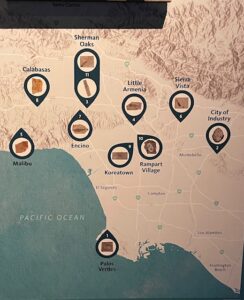 So that explains the underwater fossils we find all over Los Angeles (map courtesy of Natural History Museum of Los Angeles)
What Are Underwater Fossils?
Underwater fossils are mineralized remains of sea and shore animals. When an animal died, its remains were buried under layers of mud and silt at the ocean floor. As the organic matter partially or completely dissolved, it would be replaced by minerals within its pores. When it completely dissolved, its mold would remain in the rock or fossilized algae (diatomite), giving us clues of life on Earth at an earlier time. Many of the fossils found in these Miocene era seas are from families still living in the Pacific Ocean today.
SAN PEDRO
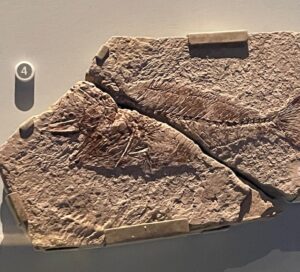
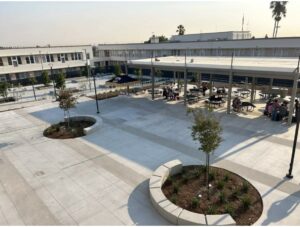
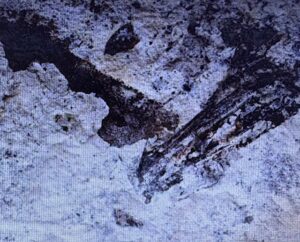
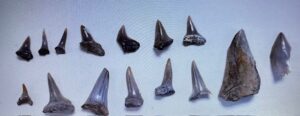
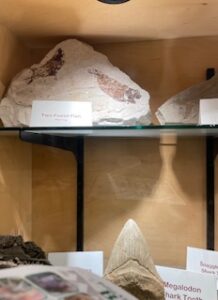
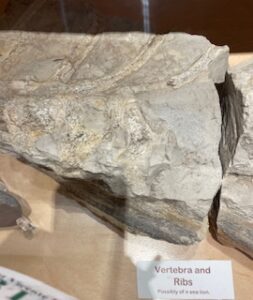
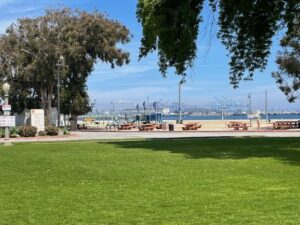 San Pedro High School is in San Pedro, home to The Port of Los Angeles. There, digging for some construction, the workers found a vast bed of undersea fossils. There were some fossils in a shell bed from the later Pleistocene era, dating back about 120,000 years. Further digging found a bone bed filled with 8.7 million year old fish and marine mammals encased in diatomite rock (created from fossilized algae) and limestone (created from fossilized bones).
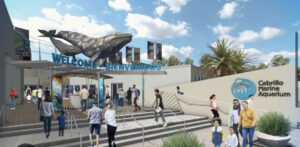
CABRILLO MUSEUM EXHIBITS
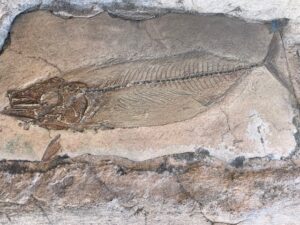
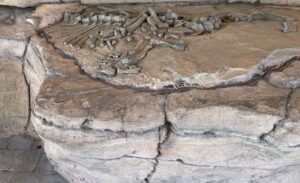
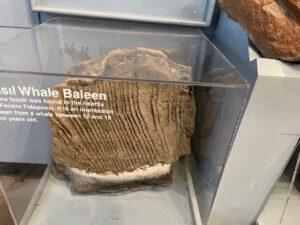
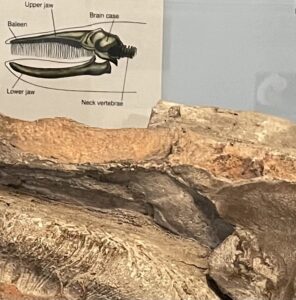
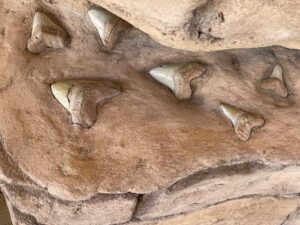
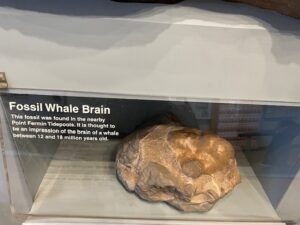
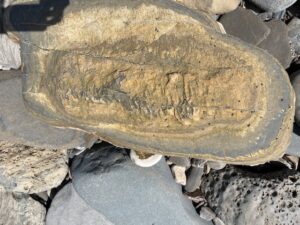
PALOS VERDES
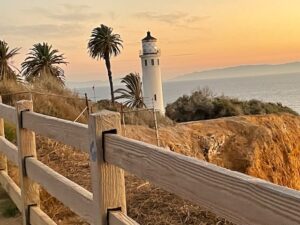
Near San Pedro, on the same peninsula, created from the Monterey formation, is Palos Verdes. Whale bones and fish fossils are found here in the shale, diatomite and Malaga mudstone. The Point Vicente Interpretive Center has some of these 9 million year old treasures on display.
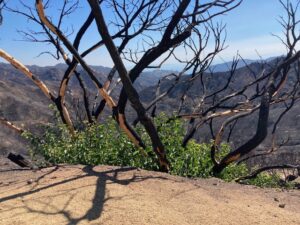
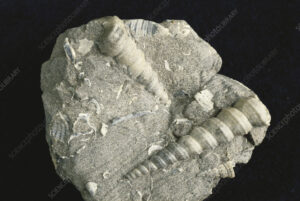
As we take our journey further north up the coast, we get to the Santa Monica Mountains. Topanga is home to many fossil shells found in the mountains. The marine sandstone and siltstone are part of the Topanga Formation where invertebrate fossils such as Turritella are found.
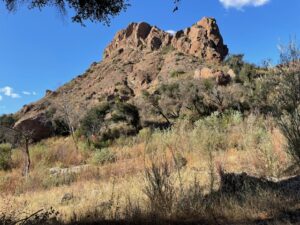
Malibu Creek is part of the Conejo Volcanic Formation which covers large portions of the Santa Monica Mountains. Erupting in the Miocene Epoch, this volcano spewed lava. mud and ash to create this park’s volcanic rock gorges and crags from its molten rock. The fossils here are found in sedimentary rocks such as sandstone and shale.
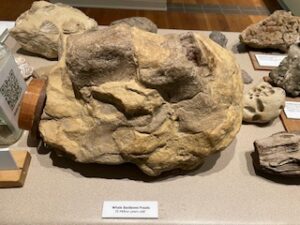
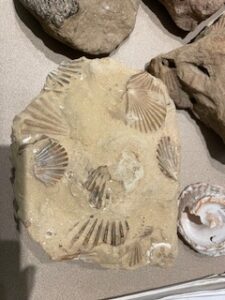
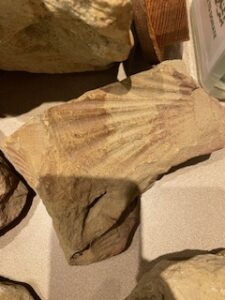
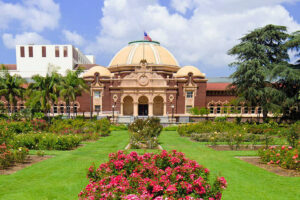
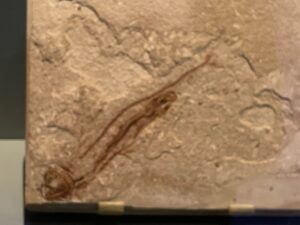
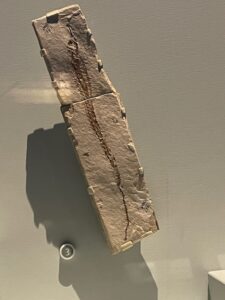
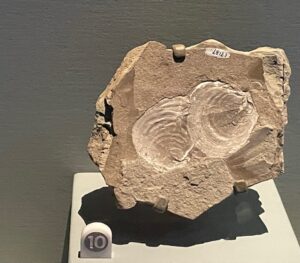
A very rich source of information is the Natural History Museum of Los Angeles County near downtown LA. This Museum maintains a library of fossils found around Los Angeles. The following photos are from their exhibition called LA Underwater. The exhibition shows where the fossils were found, many miles away from the modern coast.